Hwaseong Haenggung Palace
How to visit Hwaseong Haenggung Palace in Suwon: what to see inside, how long to spend, opening hours, the ₩2,000 admission, its history and how to combine it with a Hwaseong Fortress walk.
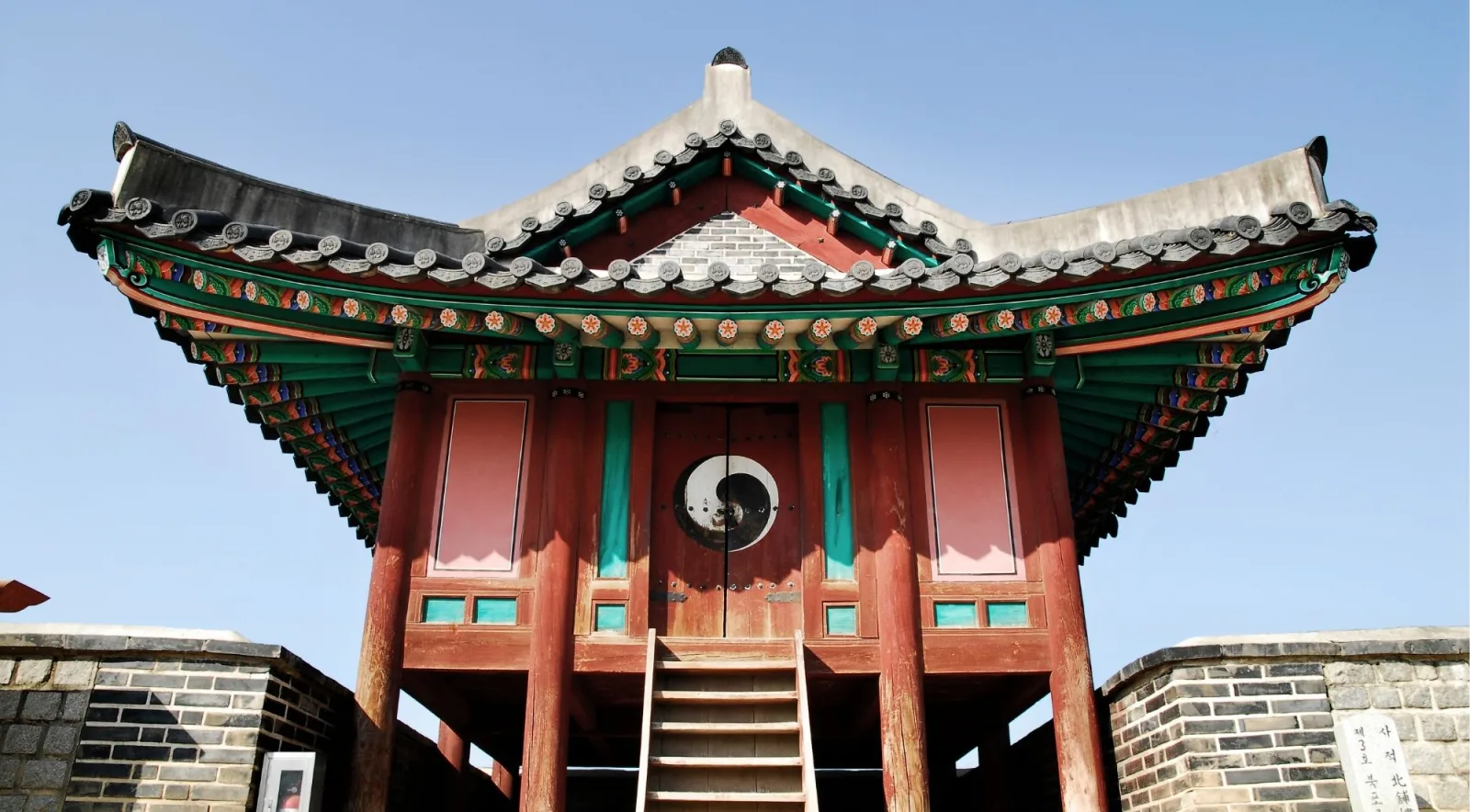
Hwaseong Haenggung Palace is one of the most important stops on a first visit to Suwon. It sits inside the Hwaseong Fortress district and explains why King Jeongjo rebuilt Suwon in the late 18th century. The fortress walls are free to walk, but the palace is a separate paid attraction with its own opening hours: ₩2,000 for adults, open 09:00 to 18:00 from March to October and 09:00 to 17:00 from November to February.
For most visitors the palace is a good addition, because it gives you the royal and political story behind the walls, gates and defensive structures you see elsewhere in Hwaseong. Allow around 45 to 90 minutes, depending on how interested you are in history and architecture.
Check Availability
What Is Hwaseong Haenggung Palace?
A haenggung was a temporary royal palace, used by the king when he travelled away from the main palaces in Seoul. Hwaseong Haenggung is the largest of them, and it is closely tied to King Jeongjo, who stayed here on his journeys to worship at the nearby tomb of his father, Crown Prince Sado.
The palace was one of the key royal buildings of the new Suwon that Jeongjo was developing, and it also served as the seat of local government. Today it is one of the most important historic sites in the Hwaseong Fortress district.
Why Is It Important?
Hwaseong Fortress is often understood only as a military site, but Suwon was part of a much broader royal project. King Jeongjo wanted Suwon to become an important political, economic and administrative centre, and Hwaseong Haenggung reflects that ambition.
The palace was used for:
- royal stays during the king’s visits;
- official ceremonies, including the award ceremonies for candidates who passed special state examinations held in Suwon;
- administrative functions as the local government office;
- events connected with King Jeongjo’s visits, the most famous being the 1795 banquet for the 60th birthday of his mother, Lady Hyegyeong.
Seeing the palace before or during your fortress walk makes the rest of the site much easier to understand.
Is Hwaseong Haenggung the Same as Hwaseong Fortress?
No, and this is one of the most common points of confusion.
Hwaseong Fortress
The fortress is the large defensive system surrounding the historic centre of Suwon. It includes:
- walls;
- gates;
- command posts;
- watchtowers;
- defensive structures;
- water gates.
The walls are free and open around the clock. Our complete Hwaseong Fortress guide covers them one by one.
Hwaseong Haenggung
The palace is one specific royal complex inside the fortress area, with a ticket window and daytime hours. You can visit the fortress without entering the palace, but combining both gives you a much better understanding of the site.
Is Hwaseong Haenggung Worth Visiting?
For most first-time visitors, yes. It is especially worth it if:
- you are interested in Korean history;
- you want to understand King Jeongjo’s role in Suwon;
- you are already visiting Hwaseong Fortress;
- you want a fuller day than walking the walls alone.
It is less essential if:
- you have very limited time;
- you have already seen several Joseon palaces and prefer outdoor walking;
- your main priority is photography from the fortress walls.
Even then, the palace is so central, a few minutes’ walk from Paldalmun and the foot of Paldalsan, that it is easy to add.
What to See Inside
The complex is a series of courtyards, gates and traditional buildings. Do not expect one enormous palace like Gyeongbokgung in Seoul; think of Hwaseong Haenggung as a compact royal and administrative complex. The appeal is in seeing how the palace worked and how it fitted into King Jeongjo’s plans for Suwon.
Main Courtyards
You enter through Sinpungnu, the main gate, where rice and porridge were handed out to the poor of Suwon to mark Lady Hyegyeong’s birthday in 1795. From there you pass through a sequence of enclosed courtyards that reflect different levels of access and function. The layout becomes more interesting when you think about:
- who would have been allowed into each area;
- where official business took place;
- which rooms were used by the king;
- how ceremonies were staged.
Royal Quarters
The royal areas connect the palace directly to King Jeongjo’s visits. They matter most if you are interested in the personal and political history behind Hwaseong: this was a king who planned, according to the Suwon Cultural Foundation, to retire here after giving up the throne, which is why the palace was built on a scale close to the palaces of the capital.
Ceremony Spaces
Hwaseong Haenggung was a stage for royal occasions as well as a residence. Bongsudang, the main hall, was where the 60th-birthday banquet for Lady Hyegyeong took place in 1795, and on ordinary days it served as the local government office. That makes it a useful contrast with the purely defensive parts of the fortress. Next door, Hwaryeongjeon, built in 1801 under King Sunjo, enshrines a portrait of King Jeongjo.
Reconstructed Buildings
Like many historic sites in Korea, most of Hwaseong Haenggung is a reconstruction. In the early 20th century almost every building was demolished to make way for a provincial hospital; only Nangnamheon and Noraedang survived. The palace was rebuilt from 1996 and has been open to the public since 2003. That does not make it less useful, but it helps to know that what you see today reflects both preservation and later restoration work.
How Long Do You Need?
30 minutes
Enough for a quick walkthrough if you are short on time.
45–60 minutes
Best for most visitors. You can see the main courtyards and buildings without rushing.
60–90 minutes
Better if you like:
- photography;
- architecture;
- reading the interpretation panels;
- Korean royal history.
If you are spending a full day in Suwon, we would allow around an hour.
Opening Hours
Hwaseong Haenggung Palace is open every day of the year:
- March–October: 09:00–18:00
- November–February: 09:00–17:00
From spring to autumn the palace also opens in the evening. In 2026 the night opening ran from 1 May to 1 November, on Fridays, Saturdays, Sundays and public holidays, from 18:00 to 21:30 with last entry at 21:00. Opening hours can change for events, maintenance or seasonal reasons, so check the current information shortly before you travel.
Admission
Individual admission is:
- Adults: ₩2,000
- Teenagers: ₩1,500
- Children: ₩1,000
Groups of 20 or more pay less. This is separate from Hwaseong Fortress itself, which is free. Prices can change, so treat these as planning figures rather than permanent rates. Every other fee in the area, from the tourist trolley to the archery range, is on our tickets and entrance fees page.
Best Time to Visit
Morning
Best if you want:
- fewer people;
- softer light;
- a calm start to your fortress day.
Midday
Convenient if you arrive in Suwon later in the morning. Because much of the palace is outdoors, midday can feel hot in summer.
Late afternoon
Good for photography, but check the closing time carefully so you do not arrive too late, particularly from November to February, when the palace closes at 17:00.
Best Season
Spring
A pleasant time for both the palace and the surrounding fortress.
Summer
Possible, but hot weather can make the exposed courtyards less comfortable.
Autumn
One of the best times to visit Suwon overall. The fortress area is attractive, and cultural events often take place in autumn, including the Suwon Hwaseong Cultural Festival.
Winter
Quieter and atmospheric, but colder. The palace is easier to visit than the exposed fortress walls on a windy day, because the buildings and courtyard walls give some shelter.
How to Get There
Hwaseong Haenggung is in the historic fortress district of Suwon. If you arrive at Suwon Station, you still need to continue to the palace area, about 15 minutes away by road. The easiest options are:
- taxi;
- local bus.
Do not assume the station is beside the fortress. For the full Seoul to Suwon journey, with the bus numbers from Suwon Station, see our Seoul to Hwaseong Fortress transport guide.
Best Way to Combine the Palace with Hwaseong Fortress
A very practical route is:
- Hwaseong Haenggung Palace
- Paldalsan
- Seojangdae
- Hwaseomun
- Janganmun
- Hwahongmun
- Banghwasuryujeong
This works well because the palace gives you the historical context first, and the fortress walk then shows you the military and urban side of the same story. Our Hwaseong Fortress walking route has the full self-guided version, stop by stop.
Should You Visit the Palace Before or After the Fortress?
For most first-time visitors, before is better, because knowing about King Jeongjo and the royal purpose of Suwon makes the fortress more meaningful.
If you arrive before the palace opens at 09:00, there is nothing wrong with walking part of the fortress first and coming back later.
Can You Skip the Palace?
Yes. If your priority is:
- walking;
- photography;
- fortress architecture;
- viewpoints;
you can have an excellent day without going in. But if you are interested in the story behind Hwaseong, the palace is one of the easiest ways to understand it.
Hwaseong Haenggung vs Seoul’s Royal Palaces
Visitors sometimes ask whether Hwaseong Haenggung is worth seeing after Gyeongbokgung or Changdeokgung. The answer depends on what you expect. It is not as monumental as Seoul’s major royal palaces, and its appeal is different. Hwaseong Haenggung is valuable because:
- it is tied directly to King Jeongjo;
- it forms part of the Hwaseong story;
- it shows how a travelling royal court worked outside Seoul;
- it fits naturally into a fortress day trip.
On size or grandeur, Seoul’s main palaces are more impressive. On historical context within Suwon, Hwaseong Haenggung is the more relevant visit.
Is It Good for Families?
Yes. The palace is easier for families than the steep fortress sections, because:
- walking distances are shorter;
- the route is more compact;
- there are open courtyards;
- you can leave whenever children lose interest.
Families can visit the palace first, then choose only a short section of the fortress, such as Janganmun to Hwahongmun.
Is It Good for Older Travellers?
Generally, yes. The palace is much easier than the full Paldalsan fortress walk. There are still steps, thresholds and traditional surfaces, but the visit is compact and manageable.
Is It Good in Rain?
Yes, compared with the fortress. You still move through outdoor courtyards, but the palace has covered structures and shorter walking distances. On a rainy day, a palace-focused visit plus cafés or markets can be much more comfortable than attempting the full fortress circuit.
What Else Is Nearby?
The palace is very well placed for exploring central Suwon. Nearby you can visit:
- Haenggung-dong;
- Paldalmun;
- the traditional markets;
- Suwon Chicken Street;
- the lower sections of Paldalsan.
That makes it a good central anchor for your day. Our guide to things to do in Suwon ranks the rest.
Haenggung-dong After the Palace
After visiting the palace, spend some time in Haenggung-dong. The neighbourhood is known for:
- cafés;
- small shops;
- murals;
- quieter side streets;
- a mix of traditional and modern architecture.
It is a good place to stop for coffee before a longer fortress walk.
Paldalmun Market
The traditional market district near Paldalmun is another easy addition. It works especially well if you want:
- local atmosphere;
- snacks;
- shopping;
- a break from historical sightseeing.
The palace, the market and the fortress are close enough to combine on foot.
Chicken Street
If you are staying into the evening, finish with Suwon’s famous fried chicken. The Chicken Street area is near the historic district and makes an easy dinner stop before you return to Seoul.
Guided or Self-Guided?
You do not need a guide for the palace. There are interpretation panels with basic historical information, and the complex is easy to find your way around.
A guide becomes more valuable if you want:
- deeper historical context;
- a combined palace-and-fortress explanation;
- a full-day guided itinerary;
- transport from Seoul.
If you want all of that, From Seoul: Suwon Hwaseong Fortress Tour takes you inside Hwaseong Haenggung with a licensed guide as well as along the walls, with palace admission and round-trip transport from central Seoul included. It runs about four hours, or a full day with the Korean Folk Village added, from $52, and it is rated 4.9 out of 5 from more than 140 reviews (our breakdown →). For most independent visitors, though, the palace is straightforward to see alone; our guided vs self-guided comparison weighs the two.
Photography Tips
Good photo opportunities include:
- the main gates;
- courtyard symmetry;
- traditional rooflines;
- palace buildings framed by Paldalsan;
- seasonal details.
Morning and late afternoon generally give softer light. Midday can produce harsh shadows in the open courtyards.
Suggested 4-Hour Itinerary
If you only have half a day:
- Hwaseong Haenggung Palace
- Haenggung-dong
- Hwaseomun
- Janganmun
- Hwahongmun
This gives you a good mix of palace, neighbourhood and fortress architecture without too much walking.
Suggested Full-Day Itinerary
For a full day:
- Hwaseong Haenggung Palace
- Paldalsan
- Seojangdae
- Hwaseomun
- Janganmun
- Hwahongmun
- Banghwasuryujeong
- Haenggung-dong
- Paldalmun Market
- Chicken Street
This is one of the strongest first-time Suwon itineraries, and our Suwon one-day itinerary times it hour by hour.
Frequently Asked Questions
Is Hwaseong Haenggung Palace inside Hwaseong Fortress?
Yes. It sits within the walled fortress area, close to Paldalmun and the foot of Paldalsan.
Is Hwaseong Haenggung Palace free?
No. The palace charges ₩2,000 for adults, ₩1,500 for teenagers and ₩1,000 for children, while the fortress walls themselves are free.
How long should I spend at Hwaseong Haenggung?
Most visitors need around 45 to 60 minutes.
Is Hwaseong Haenggung worth visiting after Seoul’s palaces?
Yes, if you are interested in King Jeongjo and the history of Suwon. It is smaller than Gyeongbokgung, but it explains the fortress around it.
Can I visit Hwaseong Haenggung without a tour?
Yes. The palace is easy to visit independently, and tickets are sold at the gate.
Is Hwaseong Haenggung open in winter?
Yes. It is open all year, with shorter hours from November to February, 09:00 to 17:00.
Can I combine Hwaseong Haenggung with the Korean Folk Village?
Yes, although the Korean Folk Village is in Yongin, outside central Suwon. A guided tour makes this combination easier; our Hwaseong Fortress and Korean Folk Village tours page compares the options.
Final Thoughts
Hwaseong Haenggung Palace is not the largest or most spectacular royal palace in Korea, and that is not the point. Its value comes from how directly it connects to the story of King Jeongjo and the creation of Hwaseong.
If you are already visiting Suwon, the palace is an easy and worthwhile addition. Visit it first, learn the royal story, then walk the fortress and see how the wider city was designed around that ambition.
For a complete day plan, continue with our Suwon day trip from Seoul guide and our complete Hwaseong Fortress guide.
Walk a UNESCO Fortress Wall Before Dinner in Seoul
Suwon Hwaseong is 30 kilometres from central Seoul and open year-round. Compare guided day trips with transport, Haenggung Palace and the Korean Folk Village included — free cancellation on most departures.
Check Availability & Book