Why Hwaseong Fortress Is a UNESCO World Heritage Site
Why Suwon Hwaseong Fortress is on the UNESCO World Heritage List: its 1790s architecture, engineering and town planning, King Jeongjo's royal project, and what to look for when you visit.
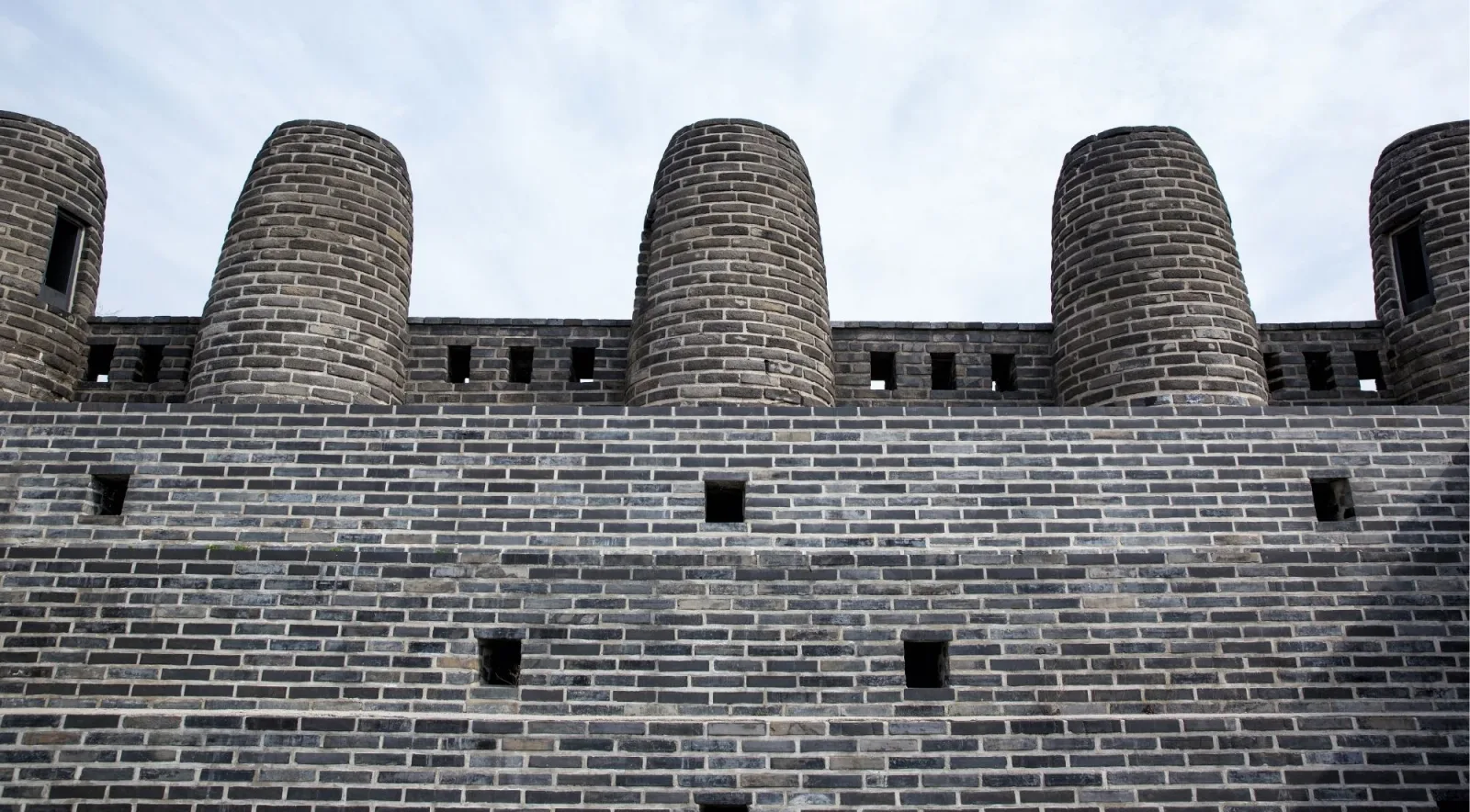
Hwaseong Fortress is Suwon’s main historical sight, and it is also a UNESCO World Heritage Site, inscribed on the World Heritage List in 1997. UNESCO recognises it for the way it combines architecture, military engineering, town planning and late-18th-century Korean history. Knowing why makes a visit far richer: you start to notice how the wall follows the hills, why the gates look the way they do and how the stream passes through the defences.
Check Availability
The site matters because it comes from a period when Korea was combining traditional fortress-building methods with new military and engineering ideas. That sets Hwaseong apart from many older Korean fortifications.
Quick Answer
Hwaseong Fortress is important because it:
- was built during the reign of King Jeongjo
- reflects advanced late-18th-century military planning
- combines Korean, Chinese and Western-influenced engineering ideas
- was designed for both flat and hilly ground
- formed part of a broader plan to develop Suwon as a political and economic centre
- survives as one of Korea’s most important historic walled towns
When Did Hwaseong Become a UNESCO World Heritage Site?
Hwaseong Fortress was added to the UNESCO World Heritage List in 1997.
UNESCO recognises the site for its architectural and engineering importance, and for the way it reflects developments in military construction during the late Joseon period.
When Was Hwaseong Fortress Built?
Construction took place between 1794 and 1796, during the reign of King Jeongjo, one of the most important rulers of the late Joseon dynasty.
Two years is a short time for a wall of roughly 5.7 kilometres with this many gates, towers and command posts.
Why Did King Jeongjo Build Hwaseong?
Hwaseong was part of a much larger political and urban project. King Jeongjo wanted Suwon to become an important centre outside Seoul.
The city was closely connected to the tomb of his father, Crown Prince Sado, whose burial site had been moved to the Suwon area.
The king also wanted to strengthen Suwon’s:
- political importance
- economic role
- administrative function
- military security
So Hwaseong served more than one purpose. It was both a defensive system and part of a planned city.
Why Was the Fortress Design Innovative?
The design is one of the main reasons Hwaseong is internationally significant. The fortress drew on:
- traditional Korean building methods
- ideas from Chinese military architecture
- knowledge of Western military engineering that had reached Korea through East Asia
The builders did not copy one foreign model. They adapted different ideas to local conditions.
How Did the Terrain Affect the Design?
Hwaseong was built across both:
- flat urban land
- hilly ground around Paldalsan
That made the engineering more complex. The walls had to follow different elevations while still forming one coherent defensive line around the city.
You can still see that relationship between terrain and architecture when you walk the fortress today.
Why Are the Gates Important?
The main gates were designed as both practical and symbolic structures. The four principal gates are:
- Janganmun: north gate
- Paldalmun: south gate
- Hwaseomun: west gate
- Changnyongmun: east gate
Each gate was part of the wider defensive system, and some were protected by curved outer walls and extra military structures.
Why Is Janganmun Important?
Janganmun is one of the most impressive gates at Hwaseong. It shows the scale of the fortress and the combination of:
- stone foundations
- timber architecture
- defensive planning
For first-time visitors, it is one of the easiest places to see why Hwaseong is more than a decorative city wall.
Why Is Hwahongmun Important?
Hwahongmun shows another side of the fortress’s engineering. The Suwoncheon stream passes beneath it through a series of arches, so water could keep flowing through the city while the defensive line stayed closed.
It shows how the designers had to solve practical urban and military problems at the same time.
Why Is Banghwasuryujeong Important?
Banghwasuryujeong had a military function, but it is also one of the most elegant parts of the fortress. It combines:
- defence
- observation
- architecture
- landscape
Today it is one of the most photographed spots on the UNESCO site.
Why Is Seojangdae Important?
Seojangdae was a command post on Paldalsan. From its high position, commanders could watch large sections of the fortress and the city around it.
Walking up to Seojangdae helps you understand why the western side of Hwaseong follows the natural terrain.
What Makes Hwaseong Different from Older Korean Fortresses?
Hwaseong was built late in the Joseon period. By the late 18th century, Korean scholars and officials had access to a broader range of military and technical knowledge, and the fortress reflects that.
It feels different from older defensive systems because it was a more systematic attempt to combine:
- military science
- town planning
- engineering
- royal political ambition
Was Hwaseong Only a Military Fortress?
No. Hwaseong was designed around a working town, and Suwon was meant to grow economically and politically.
The fortress protected:
- residents
- markets
- administrative functions
- royal facilities
That is one reason the site is so interesting today: it still surrounds a living city, not an isolated archaeological zone.
Hwaseong Haenggung and the UNESCO Story
Hwaseong Haenggung Palace is closely connected to the fortress. A haenggung was a temporary royal palace used when the king travelled outside the main palaces in Seoul, and King Jeongjo stayed here on his visits to Suwon.
The palace shows that Hwaseong was not only about walls and defence. It was also part of a royal and administrative project. Our Hwaseong Haenggung Palace guide covers visiting it.
The Role of Crown Prince Sado
The story of Hwaseong is closely tied to Crown Prince Sado, King Jeongjo’s father. Jeongjo moved his father’s tomb to the Suwon area and travelled there regularly.
Those royal visits raised Suwon’s political importance and tied the building of Hwaseong closely to the king.
How Was Hwaseong Built?
The fortress was built from a mixture of:
- stone
- brick
- timber
Its design included many types of defensive structure, not one continuous wall:
- gates
- bastions
- command posts
- observation towers
- artillery positions
- secret gates
- water gates
That variety is one reason walking the fortress is more interesting than looking at a single monument.
Was New Technology Used?
Yes. Hwaseong is often associated with improved construction methods and with mechanical devices, such as cranes and pulleys, for lifting heavy building materials.
The project was organised as a major engineering undertaking as well as an architectural one.
Why Is the Hwaseong Construction Record Important?
The construction of Hwaseong was documented in great detail. The records describe:
- construction methods
- materials
- labour
- costs
- architectural plans
These records later became extremely important for restoration work. They also give historians unusually detailed insight into how a major late-Joseon building project was organised.
Was the Fortress Damaged?
Yes. Parts of Hwaseong were damaged or lost over time, including during the 20th century.
Restoration has been possible partly because the original construction was recorded in such detail, which is why you can still read the site as one coherent historic complex today.
Is Everything You See Original?
No. Some structures have been restored or reconstructed, as at many major heritage sites that have survived war, development and natural decay.
Hwaseong’s importance lies in the survival and reconstruction of the whole fortress system, based on detailed historical records, as well as in its individual original stones and buildings.
Why UNESCO Recognition Matters
UNESCO status does not just mean a place is old or attractive. A World Heritage Site must be judged to have outstanding universal value.
For Hwaseong, that value comes from the combination of:
- military architecture
- engineering
- town planning
- historical context
- technical documentation
What Should You Look for When Visiting?
Once you know why Hwaseong is on the UNESCO list, several details become more meaningful. Look for these.
How the wall changes with the terrain
Notice how the fortress adapts to Paldalsan and to the flatter parts of the city.
Different defensive structures
The walls are not uniform. You will see gates, towers, command posts and other military features, each with its own purpose.
Water management
Hwahongmun is the clearest example.
Relationship with the city
Unlike an isolated castle, Hwaseong is still part of modern Suwon.
Royal context
Visit Hwaseong Haenggung to understand King Jeongjo’s role.
Best UNESCO-Focused Walking Route
If heritage and history are your priorities, follow:
Hwaseong Haenggung → Paldalsan → Seojangdae → Hwaseomun → Janganmun → Hwahongmun → Banghwasuryujeong
This route takes in several of the features that make Hwaseong internationally significant. Our Hwaseong Fortress walking route gives it step by step.
How Long Do You Need?
For a heritage-focused visit:
2 hours
Enough for a few major structures.
3–4 hours
Good for the palace plus selected sections of wall.
5–6 hours
Best for understanding the site properly.
If history is why you are going, do not rush it. Our guide to how long you need at Hwaseong Fortress breaks each option down.
Should You Take a Guided Tour?
A guide is particularly useful at Hwaseong, because much of its significance is not obvious from the wall itself. A guide can explain:
- military functions
- King Jeongjo’s political plans
- construction techniques
- the role of individual structures
From Seoul: Suwon Hwaseong Fortress Tour covers the walls and Hwaseong Haenggung with a licensed guide, from $52, rated 4.9 out of 5 from 140+ reviews, with admission and transport from Seoul included.
If you visit independently, read some background before you start walking. Our guided vs self-guided comparison helps you decide.
Is Hwaseong Worth Visiting If You Are Not Interested in History?
Yes. Even without a deep interest in history, the fortress gives you:
- views
- walking
- architecture
- photography
- neighbourhoods
- cafés and markets
Knowing the UNESCO story still makes the visit richer.
How Does Hwaseong Compare with Seoul’s Palaces?
They show different kinds of heritage. Seoul’s royal palaces focus on:
- court life
- royal architecture
- ceremonial space
Hwaseong focuses on:
- military planning
- urban development
- royal ambition outside Seoul
- engineering
The two complement each other, so seeing both does not mean seeing the same thing twice.
Is Hwaseong One of South Korea’s UNESCO Sites?
Yes. Hwaseong Fortress is one of South Korea’s UNESCO World Heritage Sites.
For a visit to Suwon, what matters is why Hwaseong specifically was recognised.
Frequently Asked Questions
When did Hwaseong become a UNESCO World Heritage Site?
In 1997.
When was the fortress built?
Between 1794 and 1796.
Who built Hwaseong Fortress?
It was built during the reign of King Jeongjo.
Why is Hwaseong important?
Because it combines military architecture, engineering, town planning and late-Joseon historical significance.
Is Hwaseong Fortress original?
Parts survive, while other sections have been restored or reconstructed using detailed historical records.
Is Hwaseong worth visiting?
Yes, especially if you are interested in history, architecture, walking or a day trip from Seoul.
Final Thoughts
Hwaseong’s UNESCO status makes much more sense once you stop thinking of it as just a fortress. It is a combination of:
fortress + planned city + royal project + engineering system
That combination is what makes it unusual.
The best way to see it for yourself is to walk a long section of the walls, visit Hwaseong Haenggung Palace and watch how the architecture changes with the landscape.
For a practical route, use our Hwaseong Fortress self-guided walking itinerary. For the main sights, see Best Things to See Along Hwaseong Fortress.
Walk a UNESCO Fortress Wall Before Dinner in Seoul
Suwon Hwaseong is 30 kilometres from central Seoul and open year-round. Compare guided day trips with transport, Haenggung Palace and the Korean Folk Village included — free cancellation on most departures.
Check Availability & Book